Your 1031 exchange isn't done, but your tax deadline is almost here. Don't file early and risk getting it wrong — there's a simple, proven move that keeps everything clean. Here's what to do.
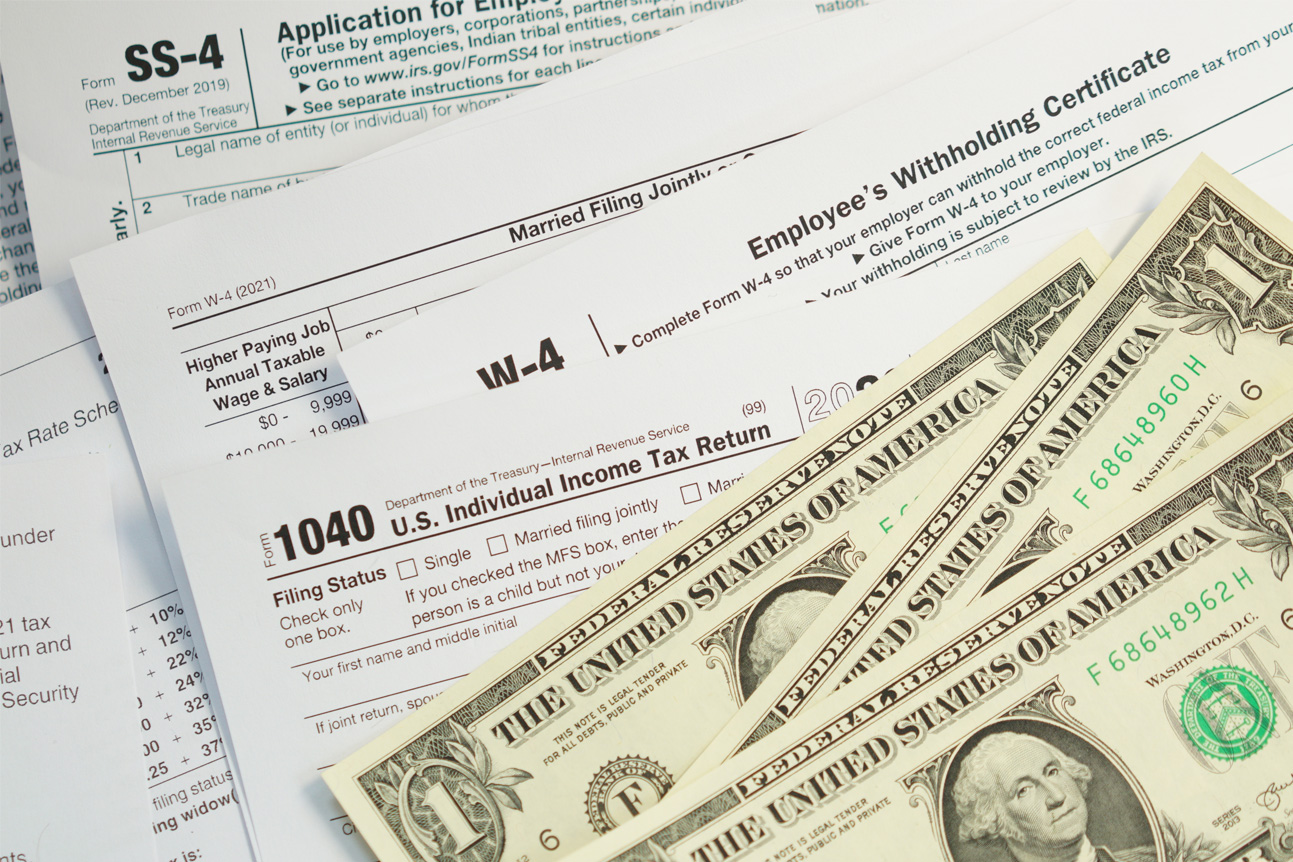
You've sold your investment property, your Qualified Intermediary is holding the proceeds, and you're actively searching for a replacement property. Then tax season arrives — and you're not done yet.
So what do you do?
This is a situation more investors run into than you'd think, and the good news is there's a clear, well-established answer. But it requires a little planning — and knowing about it before April sneaks up on you makes all the difference.
A 1031 exchange lets you sell an investment or business-use property, roll the proceeds into a qualifying replacement property, and defer paying capital gains taxes in the process.
The IRS gives you two key deadlines once your sale closes:
That 180-day window is where the tax filing question gets interesting — because 180 days often stretches well past April 15th. If you sold a property in October or November, for example, your exchange could still be in progress when your tax return comes due. You're not doing anything wrong — it's simply how the calendar works.
Here's the bind. Your tax return is due before your exchange is complete. You haven't acquired your replacement property yet, so you don't know the final outcome of the exchange — and filing before you do risks reporting things inaccurately.
The answer is straightforward: file an extension, and use that time to finish your exchange before you file.
An extension pushes your federal filing deadline to October 15th. For most investors, that's enough runway to complete the exchange and then file a clean, accurate return that reflects the full picture — how much gain was deferred, whether any taxable cash was received, and everything your CPA needs to get it right the first time.
It's a much better outcome than filing with loose ends and potentially needing to amend your return later. Amended returns aren't the end of the world, but they're extra work, extra cost, and sometimes extra scrutiny — all of which are avoidable with a little foresight.
Extensions are for filing, not for paying. If you owe taxes — say, because your exchange only partially deferred your gain — estimated taxes may still be due by April 15th. Don't assume the extension covers everything. Talk with your CPA about whether you owe anything before that original deadline passes.
The 180-day window doesn't bend for tax season. Filing an extension doesn't give you more time to complete your exchange. Those IRS deadlines — 45 days and 180 days — are fixed from the date of your sale, period. The extension only affects your tax filing, not your exchange timeline.
Your Qualified Intermediary and your CPA should be talking. The information your QI holds about the exchange is exactly what your tax preparer needs to file correctly. These two parties don't always communicate automatically — make sure they are, especially as deadlines approach.
If tax season arrives before your 1031 exchange is finished, the move is simple: file an extension, finish the exchange, then file your return with the full picture in hand. No guessing, no amendments, no unnecessary stress.
The key is not letting the April deadline catch you off guard. If you know going in that your exchange might still be open at tax time, you and your CPA can plan for it well in advance — and turn what feels like a complicated situation into a straightforward one.